

How Automotive Mechanical Trainers Are Transforming Modern Automotive Education
With the rapid development of intelligent vehicles, electric cars, and hybrid technologies, the automotive industry is experiencing one of its most transformative periods. As systems become more digitalized and integrated with electronic control units, the demand for skilled technicians and engineers is growing rapidly.
Traditional classroom instruction alone is no longer sufficient to prepare students for real-world automotive challenges. Educators and training centers are turning to Automotive Mechanical Trainers — specialized, hands-on training platforms that replicate real vehicle systems for education and skill development.
As a global provider of automotive training equipment, Dolang is at the forefront of this transformation, supplying comprehensive and intelligent training systems that bridge the gap between theory and practice.
What Are Automotive Mechanical Trainers?
An Automotive Mechanical Trainer is a specialized educational device that simulates the mechanical and electrical systems of modern vehicles. It enables students, trainees, and technicians to learn automotive theory and perform real-world diagnostic and repair tasks in a safe, controlled environment.
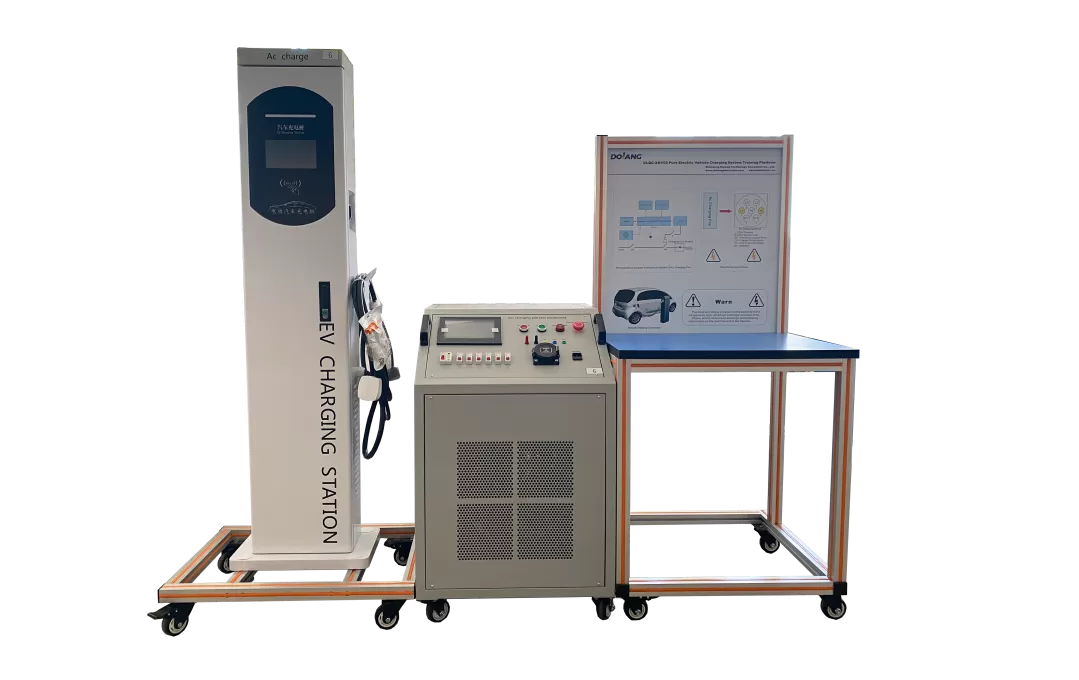
These trainers are widely used in vocational schools, technical colleges, automotive service centers, and research institutions. They allow learners to explore the structure, function, and operation of automotive systems such as engines, transmissions, brakes, suspension, and electrical circuits — without the risks and costs of using actual vehicles.
What Do Automotive Mechanical Trainers Include?
A complete automotive mechanical trainer typically includes:
1. Real Components and Mechanical Systems
● Engine systems (gasoline, diesel, or electric motors)
● Transmission and drivetrain assemblies
● Chassis, suspension, steering, and braking systems
● Vehicle electrical and electronic control systems
● HVAC and hybrid/EV power systems
2. Control and Diagnostic Modules
● ECU and sensor simulation modules
● Data acquisition and analysis interfaces
● Fault simulation boards and diagnostic connectors
● Computer-based training software with live feedback
3. Safety and Operational Design
● Electrical isolation, overload protection, and emergency shut-off switches
● Modular layouts and visual panels for safe and interactive learning
4. Teaching Support Materials
● Technical manuals, lab guides, and digital resources
● Step-by-step exercises for troubleshooting and diagnostics
In short, Automotive Mechanical Trainers integrate real hardware, electronic control, and diagnostic simulation into one unified teaching system, providing an authentic yet risk-free training experience.
Multi-Station Transfer System Innovations for 2025 Efficiency
The Role and Importance of Automotive Mechanical Trainers
Top Benefits of Using a Non-Load Bearing Clay Brick Maker
Automotive mechanical trainers play a crucial role in modern automotive education by enabling hands-on, experiential learning. Their primary functions include:
● Enhancing Skill Development: Students gain practical repair, testing, and diagnostic experience through direct interaction with real components.
● Linking Theory to Practice: Trainers bridge the gap between classroom knowledge and workshop application.
● Improving Fault Diagnosis Capabilities: Trainees can simulate and resolve real-world faults safely.
● Supporting Technical Certification: Trainers provide the ideal environment for vocational skill tests, qualification assessments, and professional certification programs.
● Reducing Costs and Risk: Unlike real cars, training equipment is reusable, low-maintenance, and safe to operate.
Through these functions, training institutions can provide a structured, measurable, and future-oriented learning experience aligned with the latest automotive technologies.
Advantages of Using Automotive Mechanical Trainers
The adoption of Automotive Mechanical Trainers offers several advantages for educational and industrial institutions:
● Realistic and Safe Learning: Authentic mechanical systems combined with controlled fault simulations ensure safe and realistic practice.
● Modular and Upgradable Design: Trainers can be expanded to include hybrid or electric vehicle modules, matching industry advancements.
● Comprehensive Diagnostic Experience: Multiple fault modes allow repeated practice and evaluation, accelerating learning outcomes.
● Improved Teaching Efficiency: Teachers can demonstrate concepts visually, while students learn by doing — leading to higher engagement and retention.
● Sustainability and Cost Efficiency: Training platforms can be reused for years without the maintenance costs of actual vehicles.
● Professional Branding for Institutions: Equipped with advanced training systems, schools and centers can attract more students and partnerships.
At Dolang, we emphasize durability, precision, and innovation in every trainer, ensuring that our equipment delivers real-world performance in an educational environment.
Applications of Automotive Mechanical Trainers
1. Vocational and Technical Schools
Automotive programs use these trainers to teach systems such as internal combustion engines, EV drivetrains, and vehicle electronics. Students learn inspection, disassembly, troubleshooting, and system operation safely under instructor supervision.
2. Automotive Repair and Service Centers
Service organizations utilize mechanical trainers for staff development and technical upgrading. This ensures mechanics are well-prepared for servicing modern vehicles, including hybrids and electric cars.
3. Skills Competitions and Certification Testing
Automotive trainers provide standardized testing environments for national and international competitions, where participants demonstrate diagnostic and repair skills.
4. Research and Product Development
Universities and R&D labs use mechanical trainers for system analysis, control algorithm testing, and applied engineering studies.
5. EV and Hybrid Vehicle Training
Dolang’s advanced trainers now integrate electric vehicle systems, including motor drives, charging systems, and high-voltage safety modules — addressing the growing demand for EV maintenance education.
Why Choose Dolang?
Dolang is a leading manufacturer of automotive training equipment with a proven record in delivering customized educational solutions. Our Automotive Mechanical Trainers are engineered with precision, modular flexibility, and international safety standards in mind.
222
0
0
All Comments (0)
Previous: Multi-Station Transfer System Innovations for 2025 Efficiency
Next: Enhancing Metal Production: Benefits of On-Site Nitrogen Systems
If you are interested in sending in a Guest Blogger Submission,welcome to write for us!

Comments